Efficient storage is one of the best farm business upgrades. Storage buildings for farm machinery, harvested crops, livestock, farm supplies, seasonal equipment, and more are available. With so many choices, selecting a suitable agricultural storage building is a matter of understanding your farm’s particular needs.
Every farm will have different storage needs and requirements based on the size of the farm, the type of production, as well as the plans for future growth. Consider what you need to store, how often you will need access to your stored items, and if you may need extra storage space in the future, before deciding on a building. Contemporary farm storage buildings provide flexible, hard-wearing, & cost-effective solutions that farmers can take full advantage of to increase efficiency and protect their investment. Companies such as Western Canadian Building Solutions understand the importance of building structures that will stand the test of time in the rough-and-tumble world of agriculture.
Determine Your Storage Needs
The first thing is to know what the building is going to be used for. Various types of farming operations need various types of storage.
Think about if your building will be utilized for:
- Farm equipment and machinery
- Crop storage
- Hay and feed storage
- Livestock supplies
- Fertilizer and agricultural products
- Multi-purpose agricultural operations
Knowing the building type will help to determine the building size, shape, door layout, and specific engineering requirements.
Choose the Right Building Size
One of the biggest errors among farmers is to underestimate storage needs in the future. Although a smaller building may appear to be cost-efficient at the beginning, expansion at a later date may cost more than additional room could have been provided for initially.
When planning your building size, consider:
- Current equipment dimensions
- Future machinery purchases
- Vehicle access requirements
- Storage growth over the next 10 years
- Interior workspace requirements
A building of the right size allows for flexibility and eliminates the need for costly future renovations.
Consider Building Materials
The materials used in construction directly impact durability, maintenance requirements, and long-term value.
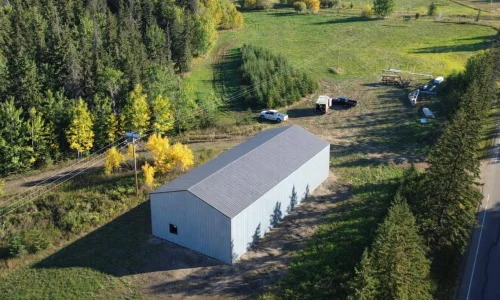
Steel Buildings
Steel structures are known for:
- Exceptional durability
- Low maintenance
- Resistance to pests
- Long service life
- Large clear-span interiors
Steel buildings are ideal for machinery storage, workshops, and large agricultural operations.
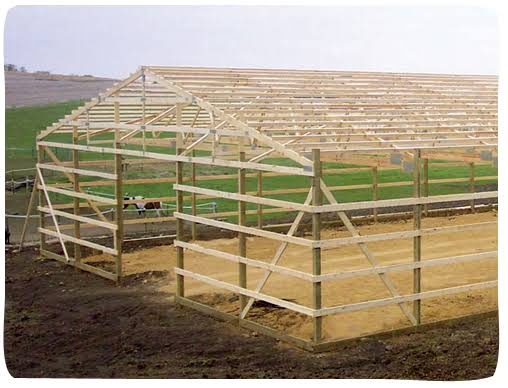
Post-Frame Buildings
Post-frame construction offers:
- Cost-effective construction
- Fast installation
- Design flexibility
- Energy efficiency
- Excellent performance for agricultural applications
Many farms choose post-frame buildings because they provide practical storage solutions while maintaining affordability.
Evaluate Local Climate Conditions
Western Canadian climate can be demanding, with heavy snow loads, strong winds, & fluctuating temperatures. A storage building should be engineered to withstand local environmental conditions.
Important factors include:
- Snow load requirements
- Wind resistance
- Moisture control
- Ventilation systems
- Insulation options
Choosing a structure designed specifically for Canadian conditions helps protect your assets & extend the lifespan of the building.
Prioritize Accessibility
A storage building is only effective if it provides easy access to equipment & materials.
Consider features such as:
- Large overhead doors
- Sliding doors
- Multiple entry points
- Wide interior clearances
- Efficient traffic flow
Proper accessibility improves daily operations and reduces time spent moving equipment in and out of storage.
Think About Future Expansion
Farming is usually a changing operation. New equipment or the production of more product or new products can create the need for more storage space.
When choosing a building, think about styles that can accommodate:
- Future extensions
- Additional bays
- Expanded storage areas
- Multi-use functionality
Planning ahead can save significant construction costs in the future.
Energy Efficiency Matters
Energy-efficient buildings can reduce operational costs and improve comfort for workers.
Features that improve efficiency include:
- Quality insulation
- Energy-efficient doors
- Proper ventilation systems
- Natural lighting options
- Reflective roofing systems
These features help regulate indoor temperatures while lowering heating and cooling expenses.
Work With an Experienced Builder
The success of any agricultural building project depends heavily on the expertise of the construction team. An experienced builder can help identify the most suitable design, ensure compliance with local regulations, and guide the project.
Look for a company that offers:
- Design assistance
- Engineering services
- Permit support
- Concrete and foundation work
- Full project management
- Turnkey construction solutions
A comprehensive approach simplifies the building process and helps ensure a successful outcome.
Focus on Long-Term Value
Cost is always a factor, but the cheapest option isn’t always the best investment. A properly designed agricultural storage building will last for many decades with minimal maintenance and repair costs.
Consider the total value offered through:
- Quality materials
- Engineering standards
- Construction expertise
- Operational efficiency
- Future adaptability
Investing in quality construction often results in lower ownership costs over the life of the building.
Conclusion
Choosing the right agricultural storage building is a matter of considering your current needs, your plans for expansion, and the climate of your local environment. Whether it’s the size and materials, or the access and long-term sustainability, each decision adds to the success of the project. By consulting with experienced builders and focusing on quality, farmers can create storage that improves productivity and protects precious resources for the long term.
1. What should I consider when choosing an agricultural storage building?
Consider the purpose of the building, the storage needed, the space available, the climate, potential growth, and your financial limitations. Planning for the present as well as the future requirements often results in better value for money in the long run.
2. Are steel buildings suitable for agricultural storage?
Yes. Steel buildings are a cost-effective option for agricultural storage, offering long-term durability, customizable layouts, high-volume spaces, and minimal maintenance.
3. Can agricultural storage buildings be customized?
Yes They can be tailored in size, door size, ventilation system, insulation, interior layout, and more to meet individual storage and operational needs.
4. How do I choose the right building design for my farm?
First, determine what you need to store and how often the building will be accessed. Think about the dimensions of your equipment, ventilation requirements, ease of access, weather, & future growth when you are finalizing your design.
5. How can Western Canadian Building Solutions help with agricultural buildings?
Western Canadian Building Solutions provides building solutions designed around the requirements of agricultural, commercial, and storage projects. Understanding your intended use, site requirements, and future needs can help create a practical structure that supports your farm operation.