If you are enlarging a farming business, constructing a commercial workshop, or simply require more space for your equipment, the system you select for your building is one of deciding factors. In Western Canada, post frame buildings have proven to be an economical solution as the buildings are required to accommodate ever-changing weather conditions as well as a variety of farming and commercial uses.
Modern post-frame construction provides flexibility, durability, & long-term value. From machinery storage and livestock shelter to commercial shops & warehouses, these structures can be tailored to fit a wide range of requirements and still keep construction times efficient.
Why Are Post-Frame Buildings So Popular?
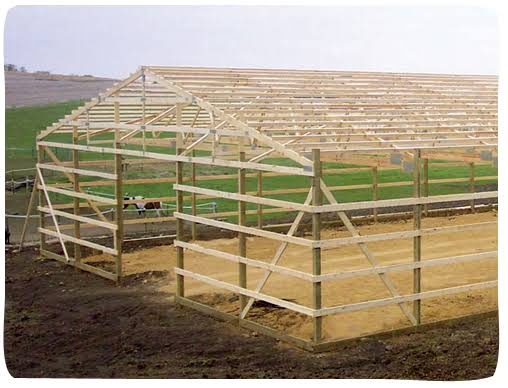
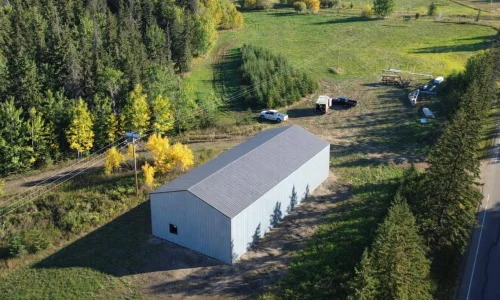
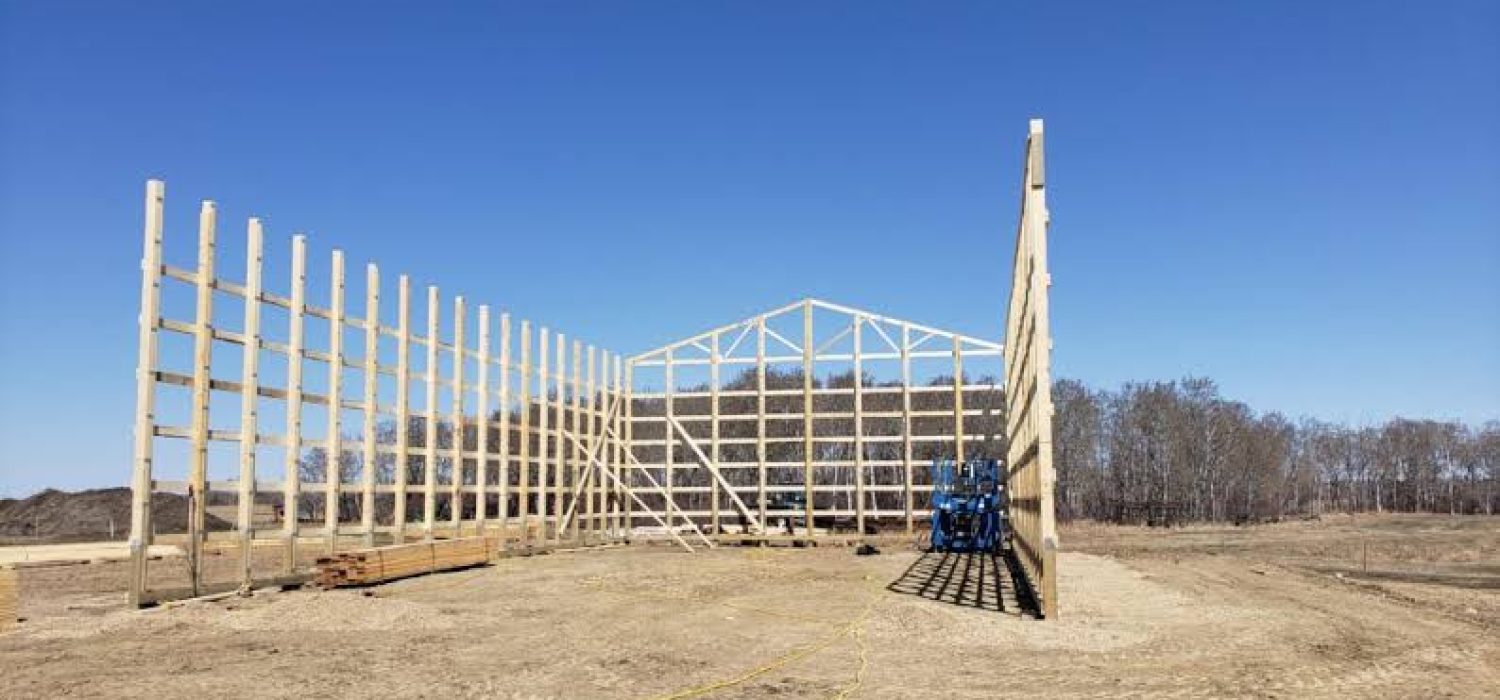
The increasing popularity of Post Frame Buildings in Western Canada indicates that Canadians are looking for dependable structures that are capable of standing up well to Canadian weather. Their design permits vast open interior areas unobstructed by numerous load-bearing walls, which makes them perfect for the storage of equipment, workshops, riding arenas, agricultural, and commercial buildings.
With many traditional building methods, post-frame buildings are more efficient to build and can still provide incredible structural strength and customizability.
Key Benefits of Post-Frame Buildings
1. Cost-Effective Construction
Post-frame construction generally needs less structural material than traditional construction, meaning building owners get more bang for their buck and don’t have to sacrifice quality.
2. Faster Project Completion
Since many elements of the building are engineered prior to the start of construction, you can in many cases complete the installation faster, shaving time off the entire project.
3. Large Clear-Span Interiors
One of the largest benefits of post frame construction is the ability to have wide open interior spaces. This allows for more versatility when storing equipment or performing vehicle maintenance, manufacturing, livestock, and commercial uses.
4. Built for Western Canada’s Climate
Western Canada experiences heavy snow, strong winds, & changing temperatures throughout the year. Properly engineered post-frame buildings are designed to meet applicable building requirements & provide dependable performance under demanding conditions.
Common Uses for Post-Frame Buildings
Post-frame construction is suitable for a wide variety of applications across agricultural, commercial, and industrial sectors.
Popular uses include:
- Farm shops
- Machine shops
- Equipment storage buildings
- Livestock barns
- Riding arenas
- Commercial workshops
- Warehouses
- Manufacturing facilities
- Office buildings
- Multi-purpose agricultural buildings
The flexibility of these designs enables property owners to tailor floor plans and door sizes, and choose from a variety of insulation and interior finish options to meet their business needs.
Important Features to Consider
Before starting your project, it is worth evaluating several key design elements that will affect the building’s long-term performance.
Building Size
Select dimensions that will not only satisfy your current requirements, but also provide for some future growth
Foundation Options
Various site conditions, such as soil, drainage, and the use of the building, can dictate foundation requirements.
Insulation
Effective insulation enhances comfort all year long and contributes to energy savings in heating and cooling, particularly in structures occupied on a daily basis.
Door Configurations
Large rolling doors and sliding doors, as well as multiple entrances/exits, help with overhead efficiency when moving equipment and day-to-day running.
Interior Layout
Consideration for your office space, storage, bathrooms or workshop area during the initial stages of design will result in a more functional building.
Choosing the Right Construction Partner
The success of any post-frame project relies on partnering with a knowledgeable contractor who is familiar with engineering specifications, permitting procedures and full project management.
Look for a builder that offers:
- Custom building design
- Engineering services
- Permit assistance
- Concrete and foundation work
- Professional project management
- High-quality construction materials
- Turnkey building solutions
A company that manages every stage of construction can help streamline the project while maintaining quality from start to finish.
Long-Term Value
Post-frame buildings are still delivering value years after being built. The flexible design allows for future renovations or additions to the building, and long-term maintenance demands are decreased from having to maintain fewer building materials.
For agriculture, commercial, or industrial use, a good post frame building will serve you well for many years.
Western Canadian Building Solutions is a leading provider of engineered building solutions that are functional, durable, and deliver efficient project execution across Western Canada.
Planning Your Project
Before construction begins, consider the following questions:
- What will the building primarily be used for?
- Will your space requirements grow in the future?
- Do you require insulation or climate control?
- What equipment needs to fit inside?
- What type of doors and access points will improve workflow?
- What permits or engineering approvals are required?
Answering these questions early helps ensure the finished building meets both current and future operational needs.
Conclusion
Western Canada farmers and business owners know they can rely on post frame construction as a practical building solution. This versatility, they say, along with speedy construction, the open-span nature and the long-term serviceability makes post-frame suitable for everything from equipment storage and workshops to commercial facilities and farming operations.
With planning and a good builder, your project can be an investment in a building that will support your business for a quarter century or more. Post-frame construction provides a trusted solution designed and engineered to perform in the harsh environment of Western Canada – whether you are looking to expand a farm business, or to develop a commercial site.
1. What are post frame buildings?
Post frame buildings are structures that use large vertical posts and a supporting frame system to create a strong and flexible building. They are commonly used for agricultural, commercial, storage, and equipment applications.
2. Are post frame buildings suitable for Western Canada?
Yes. Post frame construction can be adapted to the conditions found across Western Canada. Proper structural design, materials, insulation, and site planning are important for handling local weather and operational requirements.
3. Can post frame buildings be customized?
Yes. Building dimensions, doors, windows, interior layouts, insulation, ventilation, exterior finishes, and other features can be customized according to the intended use and site requirements.
4. Can post frame buildings be insulated?
Yes. Insulation can be incorporated into the building design when temperature control or year-round use is required. The appropriate insulation approach depends on the building’s purpose and local conditions.
5. Can post frame buildings be used for commercial businesses?
Yes. Post frame structures can provide practical space for workshops, storage facilities, agricultural businesses, service operations, and other commercial applications. Design requirements will vary depending on occupancy and intended use.
6. How can Western Canadian Building Solutions help with post frame buildings?
Western Canadian Building Solutions is your solution for agricultural, commercial, industrial, and storage buildings. The appropriate building strategy can be determined on a project-by-project basis by understanding the purpose of use, site requirements, and potential future needs.