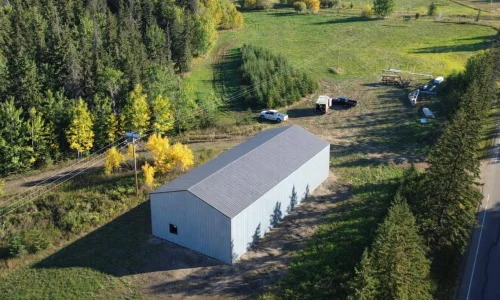
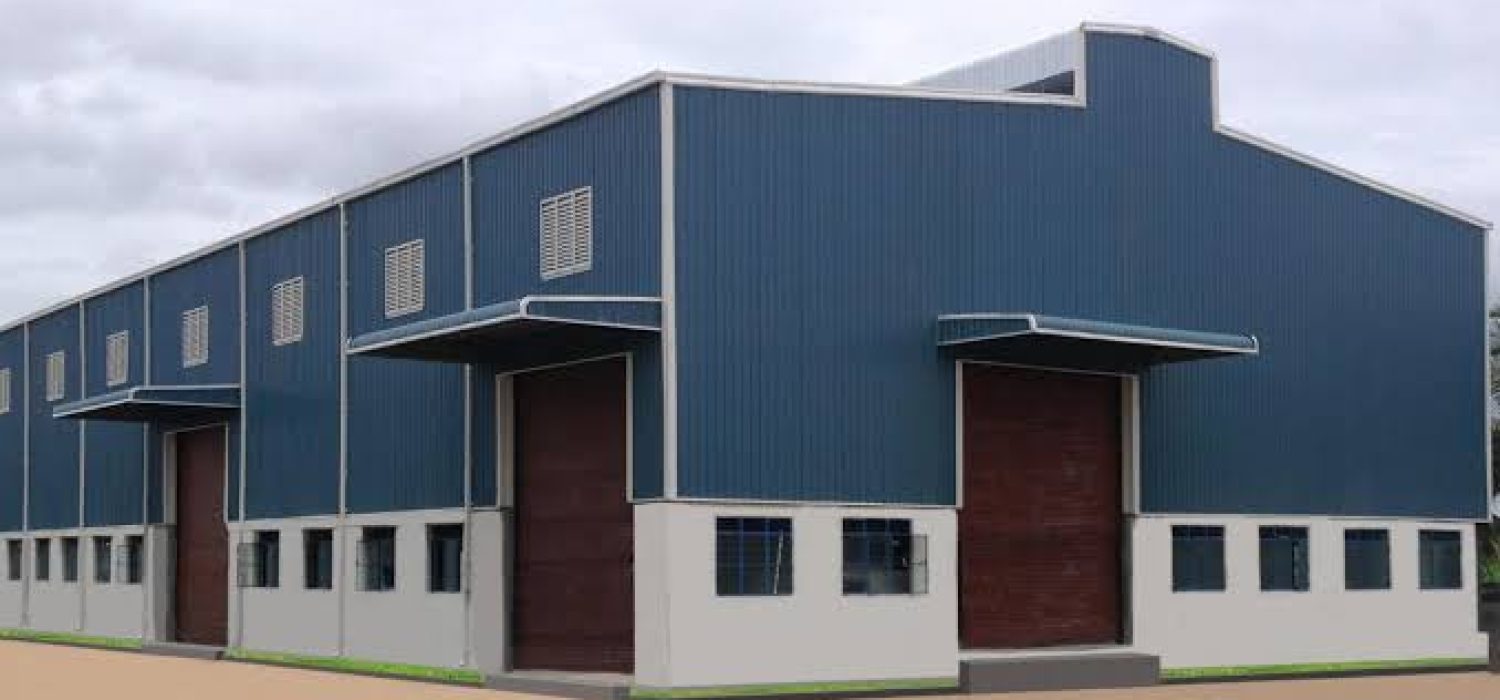
Steel buildings are a practical choice for large-scale agricultural storage because they provide the open space, durability, and flexibility needed for modern farm operations. A large agricultural facility may need to house tractors, combines, trailers, implements, and other equipment while still leaving enough room to move machinery in and out. Steel pre-engineered buildings can be designed around these storage and access requirements, giving farm owners a practical structure for their operations.
The building also needs to suit the property, local conditions, and the way the farm operates. For owners planning a new storage facility in Western Canada, a well-designed steel structure can provide a dependable space that works for today’s needs and can be considered for future changes.
Why Large Agricultural Storage Needs Careful Planning
A large farm building is not simply a bigger version of a storage shed. The size of modern farm equipment can make access, interior height, door placement, and floor space important parts of the design.
Consider how the building will be used throughout the year. During busy seasons, machinery may need to enter and leave frequently. Between seasons, equipment needs to remain protected and accessible. Some owners may also want enough room for basic equipment work or other agricultural activities.
This is why the design stage matters. A building should be planned around the operation rather than forcing the operation to work around the building.
The Value of Clear-Span Space
Clear-span construction is one of the reasons steel works well for larger agricultural facilities. With fewer interior supports taking up floor space, the available area can be easier to use for machinery and equipment.
For a farm storing large tractors, combines, grain carts, trailers, or implements, an open interior can make a real difference. Equipment can be positioned where it makes sense, and there is more freedom to change the layout as needs change.
This type of space is particularly useful when planning a large Landwirtschaftshalle, or agricultural hall, where the main objective is to create a practical interior rather than divide the building into numerous smaller areas.
Steel Provides a Durable Building Solution
Agricultural buildings have to handle regular use and exposure to changing conditions. Dirt, moisture, equipment traffic, seasonal work, snow, wind, and temperature changes can all influence how a building performs over time.
Steel building construction provides a durable structural option for these demanding applications. The important point is that the structure must be properly engineered for its location, intended use, and applicable building requirements.
Western Canadian weather also deserves attention during the planning process. A building should be designed with the conditions at its specific site in mind rather than relying on a standard approach.
Less Maintenance Can Mean More Practical Ownership
Farm owners have plenty of responsibilities without adding unnecessary building maintenance to the list. Steel can be a practical material because it does not rot like wood and is not vulnerable to termite damage in the same manner.
That does not mean a steel building is maintenance-free. Doors, fasteners, finishes, drainage, foundations, and other components still need proper care. The quality of the materials and construction also matters.
When the building is designed and maintained properly, steel can provide a long-term storage solution without making maintenance the central concern of ownership.
Built Around the Needs of the Farm
Every agricultural operation has different requirements. One owner may need a dedicated machinery storage building. Another may want storage space that can also accommodate a workshop or other farm activities.
Agricultural steel buildings can be designed around factors such as equipment size, access, interior clearance, insulation, ventilation, and available site space.
The planning process should begin with practical questions:
- What equipment will be stored inside?
- How will machinery enter and leave the building?
- How much clear interior space is required?
- Will the building need insulation or ventilation for its intended use?
- Could storage requirements change in the future?
Western Canadian Building Solutions focuses on custom building solutions and works with customers to develop structures around their project requirements.
Explore Steel Pre-Engineered Building Solutions
Planning for Future Agricultural Needs
Farm operations can change over time. New equipment may be added, existing machinery may become larger, or the amount of storage required may increase.
Thinking about these changes before construction can help avoid designing a facility that becomes restrictive too quickly. Future needs can be discussed during the planning and design stages, including the possibility of additional space or other changes where the project allows for them.
A Stahlhalle, or steel hall, can provide a useful foundation for a larger agricultural facility, but future expansion should always be evaluated according to the original design, engineering requirements, site, and applicable approvals.
The goal is not to predict exactly what a farm will look like years from now. It is to avoid overlooking reasonable future requirements while the building is still being planned.
Steel Compared With Other Agricultural Building Options
Steel is not automatically the right choice for every farm building. Different construction systems serve different purposes, and the decision should come down to the requirements of the project.
Post-frame construction, for example, can be a suitable solution for many agricultural applications. A smaller storage building may have different priorities from a large equipment facility.
For larger projects, steel can become especially attractive when clear-span space, durability, open interiors, and long-term use are important considerations. Comparing the available options based on the actual operation is more useful than choosing a building system based on material alone.
What to Consider Before Construction
Before breaking ground, it is worth looking beyond the building’s basic dimensions. The intended use should guide decisions throughout the project.
Key considerations include:
- Equipment dimensions, storage capacity, and access requirements
- Site conditions, foundation requirements, and local approvals
- Door locations, interior clearances, ventilation, and insulation
- Current storage needs and possible changes to the operation
Western Canadian Building Solutions provides support across planning, design and development, permits and approvals, construction, and inspections and quality control. The company also offers turn-key solutions and shell builds, depending on the goals of the project.
Discuss Your Agricultural Building Project
Why Work With Western Canadian Building Solutions?
Western Canadian Building Solutions works on agricultural, commercial, industrial, residential, and warehousing projects. Its approach centers on practical construction, quality materials, structural integrity, efficiency, and long-term use.
For a large agricultural project, having the planning and construction process organized around the actual requirements of the property can make the project easier to manage. From early planning and design through construction, the focus remains on developing a structure that fits its intended purpose.
For farm owners considering a new storage facility, that practical approach can help turn a general need for more space into a building designed around how the operation works.
Conclusion
Steel Pre-Engineered Buildings can be a strong option for large-scale agricultural storage when an operation needs substantial open space, durable construction, practical equipment access, and a structure designed around its intended use. Clear-span layouts can make it easier to store and move large machinery, while careful engineering and material selection can support long-term building performance.
Agricultural steel buildings are not the answer for every project, but they are worth considering when the scale and demands of the operation call for a larger, more adaptable facility. Good planning is what turns the building from a simple storage space into a useful part of the farm.
For owners considering a new Landwirtschaftshalle or Stahlhalle, the right choice starts with understanding the operation, the site, and the building’s intended purpose. Western Canadian Building Solutions can help bring those requirements together through a construction approach suited to the project.
1. Why are steel buildings suitable for large agricultural storage?
Steel buildings can provide durable construction and open interior layouts that are useful for storing large farm equipment. Their suitability depends on the project’s size, intended use, site conditions, engineering, and local requirements.
2. Can pre-engineered steel buildings be customized for agricultural operations?
Yes. The design can account for equipment dimensions, building size, door locations, interior clearances, insulation, ventilation, and other requirements. The final design should reflect how the owner expects to use the facility.
3. Are steel buildings better than post-frame buildings for agricultural storage?
Not in every case. Post-frame buildings can work well for many agricultural applications. Steel may be more suitable for larger facilities where clear spans, durability, open space, and long-term use are priorities. The project requirements should determine the choice.
4. Can an agricultural steel building be used year-round?
It can be designed for year-round use when the intended application requires it. Insulation, ventilation, heating, and interior finishes will depend on how the building is expected to function.
5. What should I consider before building a large agricultural storage facility?
Consider the equipment being stored, required floor area, door access, interior height, site conditions, foundation requirements, permits, ventilation, insulation, workflow, and potential future needs. Discussing these factors early can help create a more practical facility.