If you drive through the farmland and industrial parks of Western Canada these days, you’ll notice a pattern: more and more property owners are putting up steel instead of wood or concrete blocks. It’s not a trend that happened by accident. Farmers who need a shop that can survive a January storm, contractors who can’t afford six months of downtime, and business owners who want a building that still looks sharp in fifteen years are all landing on the same answer.
For warehouses, farm shops, manufacturing facilities, and equipment storage, steel building construction has emerged as the preferred option throughout the region. This is mostly due to the fact that it fulfils requirements that more traditional building techniques do not: speed, strength, and future cost savings. Working with clients who require a structure that functions in a genuine Prairie winter rather than just on paper, we at Western Canadian Building Solutions have personally witnessed this change.
Built to Handle Western Canada’s Weather
Anyone who has lived here knows the climate doesn’t do things halfway. Heavy snow loads, wind that never seems to quit, and swings from -30°C to +30°C within a year put real stress on a building’s frame. A structure that isn’t engineered with that in mind will show it eventually, sagging rooflines, cracked foundations, doors that stop closing properly.
Engineered steel buildings are designed around these exact conditions, meeting recognized building codes and load requirements for the region. The steel frame distributes weight and stress more evenly than wood framing, which is a big part of why these buildings hold up so well season after season, whether they’re sitting on a grain farm or an industrial lot anywhere across Western Canada.
Faster to Build, Faster to Use
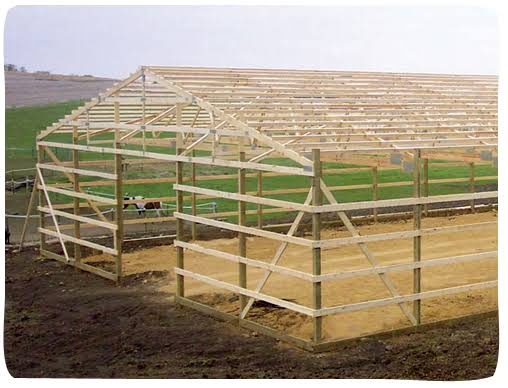
Time is money on any project, and this is where steel really separates itself. Before they ever reach your property, the majority of components, beams, panels, and trusses, are manufactured off-site to precise specs. This reduces the amount of guessing and installation surprises, as well as the number of weather-related delays that afflict traditional constructions.
A steel building can go from foundation to move-in far more quickly than a similar wood-frame structure if the contractor plans the job correctly. For a business, that is not just convenience, it is revenue. Every month a warehouse or shop is not operational is a month of lost productivity.
One Building, Many Uses
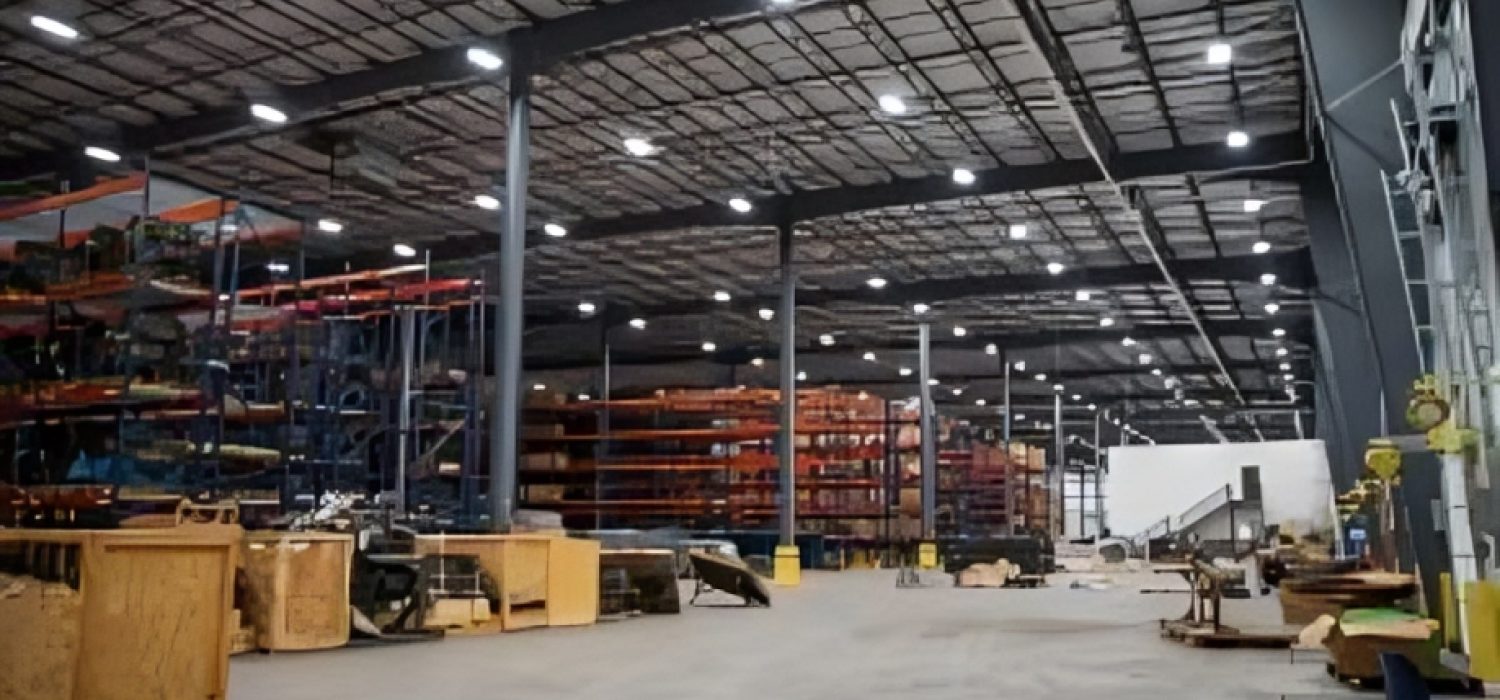
What makes steel construction genuinely versatile is the clear-span design. Because the structure doesn’t depend on a forest of interior support columns, you get open, unobstructed floor space that can be laid out however the operation actually needs, not however the building forces you to.
That flexibility shows up across a wide range of projects, including:
- Agricultural buildings and farm shops
- Equipment and machinery storage
- Warehouses and distribution centres
- Manufacturing plants
- Commercial and retail buildings
- Workshops and service centres
- Industrial facilities
Because the interior can be reconfigured relatively easily, a building put up for one purpose today can often be adapted for a different purpose down the road, without tearing anything down.
Less Maintenance Over the Years
Wood rots, warps, and attracts pests. Steel doesn’t have those problems in the same way. Properly designed and coated steel structures resist a lot of the wear and tear that eats into a traditional building’s lifespan, which translates into fewer repair calls and lower upkeep costs over the years you own the building.
For an owner thinking about total cost rather than just the upfront price tag, that difference adds up fast.
Better Energy Performance
Older steel buildings had a reputation for being cold in winter and hot in summer. That’s changed. Modern insulation systems, energy-rated doors and windows, and properly designed ventilation now let a steel building hold a comfortable, consistent indoor temperature year-round.
A well-planned building envelope doesn’t just keep people comfortable , it keeps energy bills in check and protects equipment or inventory that’s sensitive to temperature swings.
Room to Grow
Few companies look the same after ten years as they do now. An appropriately sized shop may eventually require additional office space, storage, or manufacturing capacity, and steel buildings are ideally suited for that kind of development. Growth doesn’t always imply starting from scratch because additions and changes can sometimes be incorporated into the design from the beginning.
A Strong Fit for Agriculture
Agriculture is still one of the largest industries in Western Canada, and agriculture steel buildings have become a staple on modern operations. Farmers commonly use them for:
- Machinery and equipment storage
- Equipment maintenance and repair shops
- Hay and feed storage
- Livestock housing
- Processing and packing buildings
- Multi-purpose farm structures
These buildings protect expensive equipment from the elements while giving farm operations a functional space to work out of, rain or shine.
Supporting Commercial and Industrial Growth
Steel appeals to commercial and industrial enterprises for similar reasons: it is flexible, long-lasting, and has a polished appearance. Office space, retail establishments, warehouses, manufacturing facilities, service centers, and distribution centers are examples of common uses.
Because layouts are customisable, companies can create a space that reflects their actual operations while yet allowing for future expansion as the firm expands.
Choosing the Right Construction Partner
The quality of a steel building depends on the team that designs and constructs it. When assessing a contractor, seek out one who provides:
- Custom building design
- In-house engineering
- Permit and approval assistance
- Site preparation
- Concrete and foundation work
- Full project management
- Turnkey construction, start to finish
Working with a single company that manages the entire process, rather than juggling separate trades yourself, tends to keep communication simpler and the project on schedule. Western Canadian Building Solutions offers this kind of integrated service, handling agricultural, commercial, and industrial steel building projects across the region from design through completion.
Conclusion
The demand for steel buildings continues to grow in Western Canada because they offer a combination of strength, flexibility, efficiency, and long-term value. Whether you are planning a farm shop, warehouse, manufacturing facility, or commercial building, steel construction provides a reliable solution designed for Canadian conditions.
By working with an experienced construction partner and investing in thoughtful planning, businesses can create facilities that support productivity, accommodate future growth, and deliver lasting performance.
Why are steel buildings becoming more popular in Western Canada?
They hold up well against snow, wind, and temperature swings, go up faster than traditional construction, and cost less to maintain over time, a combination that matters a lot in this climate. This is why Western Canadian Building Solutions sees steel as the preferred choice for most agricultural, commercial, & industrial projects across the region.
Are steel buildings suitable for farms?
Yes. They’re widely used for machinery storage, equipment shops, hay storage, livestock buildings, & processing facilities because they protect equipment and offer flexible interior space. Western Canadian Building Solutions works with farm operations across Western Canada to design steel buildings suited to these exact needs.
How long does a steel building take to construct?
Timelines vary by project size & site conditions, but because components are pre-fabricated off-site, steel buildings generally go up faster than comparable wood-frame construction. Western Canadian Building Solutions manages this process from planning through completion to help keep projects on schedule.
Can a steel building be expanded later?
In most cases, yes. Steel is clear-span design and modular nature make future additions and modifications more straightforward than with many traditional building types. Western Canadian Building Solutions can factor future expansion into the design stage so growth doesn’t mean starting over.